EATING GUIDE
The Bite Me Challenge Eating Guide
First challenge or fiftieth, the folks who finish aren't superhuman — they're prepared. This guide is the plain-spoken version: how to pick the right challenge, train for it like you mean it, eat smart on game day, and walk away ready to do it again. No gimmicks, no nonsense. Just a plan.
1. Pick Your Challenge
Mega Meal: Mega Meal's rule: pick the fight you can finish. Glory keeps — regret is a heavier meal.
Start smaller than your ego wants. A challenge you almost finish teaches you more — and hurts less — than a monster that buries you in ten minutes. Your first one should feel like a stretch, not a stunt.
- Read the rules before you dream. What's the time limit? What exactly is on the plate — every side, every topping? What do you pay if you fail? Surprises are for birthdays, not challenge day.
- Match the food to your strengths. Love burgers? Start with a burger. Good with heat? Maybe not for your first — see the spice section below.
- Check the board and the map. Our challenge board and local map list real challenges at real restaurants, with the details that matter.
- Call ahead. Some challenges need a reservation or a day's notice. A two-minute phone call saves a wasted trip.
2. Train Smart
Beefcake: Beefcake trains for burgers like it's the gym. Because around here, it is.
Capacity is built over weeks, not in one heroic weekend. Think of it like training for a race: steady, gradual, and boring in the best way.
- Build up slowly. Competitive eaters expand capacity gradually with water and high-volume, low-calorie foods — big salads, vegetables, watermelon — over a period of weeks. Small steps, repeated. Never try to force a huge amount all at once.
- Practice with the real food. Training for a burger challenge? Eat burgers. Your stomach and your technique both need to know what's coming.
- Work on technique. Smaller bites, chew thoroughly, stay relaxed. A strong jaw and a calm pace beat frantic gulping every time.
- Take rest days. Muscles grow between workouts, and so does capacity. Training hard every day is how people stall — or get hurt.
3. The Week Before
TOSSED: TOSSED keeps it light all week. Save the heavy lifting for game day.
The last few days aren't for proving anything. They're for showing up rested, hydrated, and ready.
- Taper the big meals. Keep eating normally, but ease off the heavy training meals about 24 hours out.
- Day before: light and steady. A light meal, normal hydration, nothing exotic. Tonight is not the night to experiment with a new cuisine.
- Sleep like it's your job. A rested body digests better, focuses better, and quits later. Get a real night's sleep.
4. Game Day Strategy
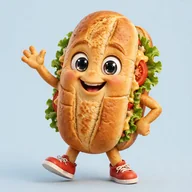
TURPEDO: TURPEDO runs on pace: fast start, steady middle, strong finish.
The plate lands. The clock starts. Here's how the finishers do it:
- The first five minutes set your pace. Come out steady and strong, not frantic. You can hold a strong pace; you can't undo a panicked one.
- Eat the protein first, while it's hot. The burger, the steak, the chicken — get the main event down early. It tastes better hot, and it's the part that fills you up slowest at the start.
- Save the bread and heavy carbs strategically. Buns, crusts, and fries expand and sit heavy. Many challengers leave some of the bread for later, when a change of texture helps.
- Small sips, not big gulps. Liquid helps food go down, but a stomach full of water is a stomach with no room. Sip to help a bite along — don't flood.
- Move if the rules allow. Standing up, shifting in your seat, a little bounce — staying loose keeps you comfortable. Check the house rules first.
- Don't watch the clock every bite. Glance at checkpoints you planned ahead of time — halfway plate at halfway time, that kind of thing. Staring at the seconds makes the plate look bigger.
5. Spice Challenges
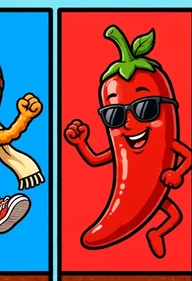
Scoville: Scoville respects the heat. So should you — milk's your friend, pride isn't.
Heat is a different sport. Respect it and it's a blast; get cocky and it collects its debt with interest.
- Dairy beats water. Milk, ice cream, and yogurt actually cool the burn — the fat and protein in dairy calm capsaicin down. Water mostly spreads it around.
- Know your tolerance — honestly. Build up gradually in training, the same way you'd build capacity. Your limit is yours; nobody else's plate sets it.
- Never let anyone dare you past it. Not a friend, not a crowd, not a camera. The toughest move in a spice challenge is sometimes the hand you raise to stop.
6. Recovery

Sunny: Sunny says the morning after is part of the sport. Take it easy; breakfast can wait.
You did the thing. Now take care of the machine that did it:
- Rehydrate with electrolytes. Water plus a little salt and potassium — a sports drink or a banana does the job.
- Eat light afterward. Your stomach just ran a marathon. Give it bland, easy food and time before the next real meal.
- Walk it off. A gentle walk helps digestion more than the couch does. Ten or fifteen minutes is plenty.
⚠️ Safety First — Always
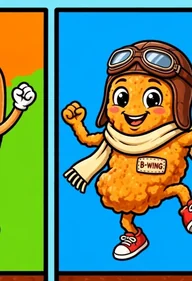
B-Wing: B-Wing never flies solo — and nobody should challenge alone. Always bring your wingman.
This is fun. It's not a dare. No free T-shirt on Earth is worth your health, and everybody in The Food Crew knows it.
- Stop if you feel ill, dizzy, or can't swallow comfortably. Stopping is not failing. Stopping is smart.
- Choking risk is real. Never attempt a challenge alone — always have someone with you who can help if something goes wrong.
- Talk to a doctor first if you have any health condition — heart, digestive, blood pressure, diabetes, anything. Get cleared before you get competitive.
- Juniors sit this part out. Competitive challenges are for adults. Junior Nibblers is non-competitive by design — kids build good habits and cheer the crew on, they don't race a clock.
This guide is general information from the challenge community, not medical advice. When in doubt, ask a medical professional — and when your body talks, listen.
Ready When You Are
You've got the plan. Now pick the plate. Find a challenge near you, log your attempt, and earn Bite Points doing it — points you can donate to the fight against hunger: 100 points = $1 to the food bank of your choice. Win or lose, somebody eats because you showed up.